
ReportNextUp '26
NIL at 16, Rec at Preschool and $50 Million That Can't Find a Home
Overtime, Varsity Brands, Youth Athletes United and Sparrow on what families expect now, why costs won't be defied, and why both philanthropic and private capital struggle to reach a market this fragmented.
Reported at LeagueApps' NextUp '26 Youth Sports Conference · Oct. 14, 2026 · Civic Hall, Union Square
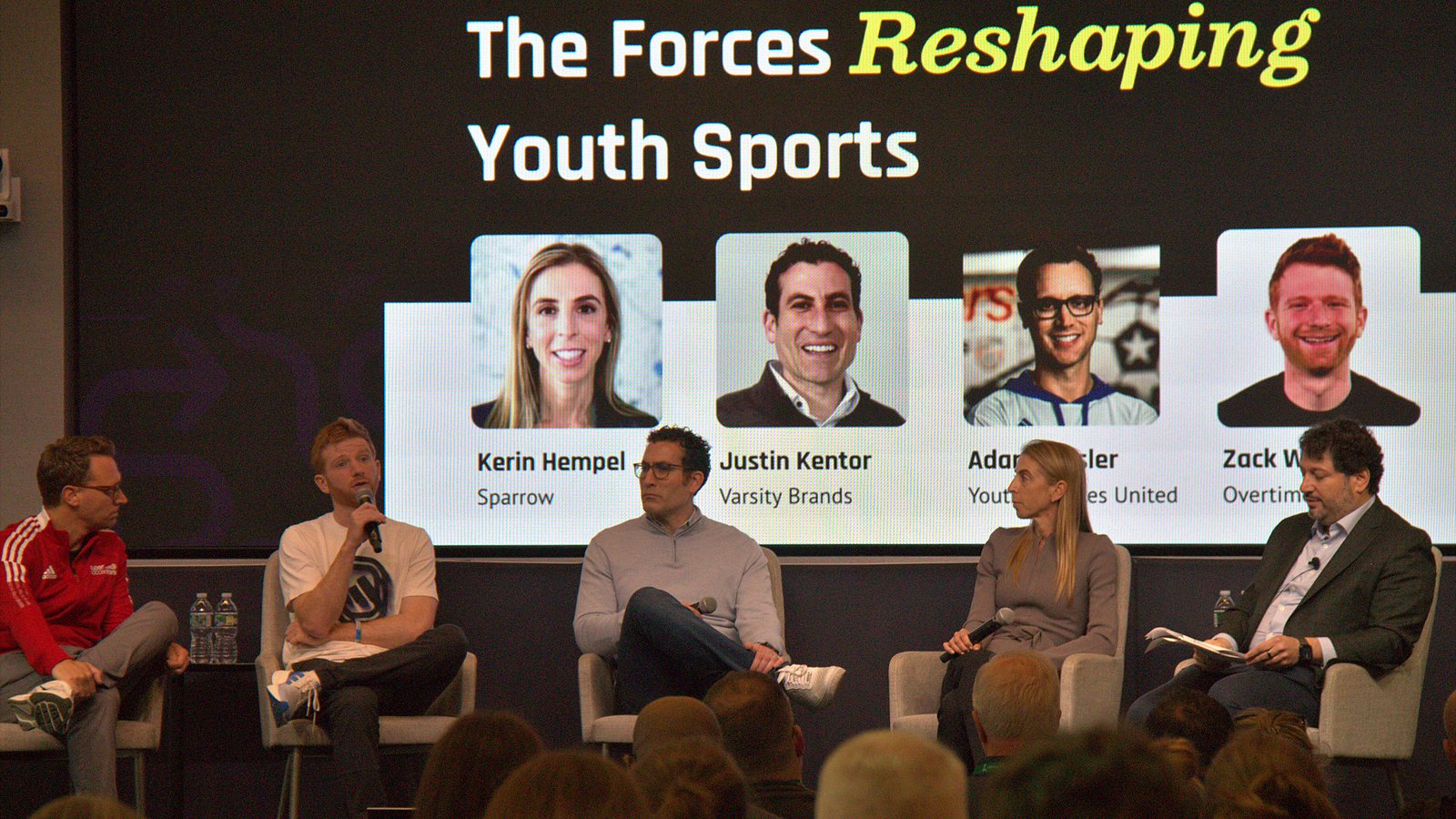
On stage: Zack Weiner, co-founder and president, Overtime · Justin Kentor, chief strategy officer, Varsity Brands · Adam Geisler, CEO, Youth Athletes United · Kerin Hempel, president, Sparrow, and former CEO of New York Road Runners · Moderator: Jeremy Goldberg, president, LeagueApps. We joined this session in progress; Craig Dixon of The St. James also spoke during the hour.
Relatable, and aspirational
Weiner said the force he watches is that young people are influenced by other young people. At Overtime Elite, the league for the best 15-, 16- and 17-year-olds, famous NBA players have sat courtside, "and the fans are much more excited to meet the players in our leagues." Some of those players may never reach the NBA. The pull is relatability plus aspiration, and he thinks youth sports can lean into it.
When Overtime started 10 years ago, NIL didn't exist, but kids who grew up on Instagram and TikTok already put a premium on exposure, and not only to recruiters. NIL accelerated it. "These athletes do have value on their own," and a following built in high school stays with them for life. OTE's own model changed when athletes on a $100,000 salary came back and asked to be paid through NIL instead so they could keep their college eligibility. The core belief, build something young athletes and young fans love, held; the how had to evolve.
Expectations and costs
Kentor sees it from both sides of Varsity Brands' business, schools and clubs. Expectations rise with every other part of a family's life, and the supply chain has to meet them with faster delivery and customized product. Goldberg's version: if you can order coffee and a burrito on an app and walk in and grab them, you expect registration to work that way too.
On cost, Kentor was direct. Schools spend from budgets and clubs spend from parents, and both face the same inflation in travel, gas and uniforms, plus tariffs on equipment. "We're not going to be able to defy that headwind." Sport isn't protected from what families feel everywhere else.
Meet the parents at preschool
Geisler's Youth Athletes United is a franchise of more than 200 operators running Super Soccer Stars, multi-sport classes and tennis and pickleball programs. Parents' weekends are consumed by specialization, so the company runs classes at preschools and after-school programs, and has started a rec league at schools: four practices and two game days, kindergarten through third grade, with kids representing their school. "We just need the parents to commit to two game days."
Goldberg suggested rec needs a rebrand, since "elite" sells and "recreational" reads as less than. Geisler's pitch is co-ed, noncompetitive play with friends for the kids who aren't going to be great at a sport, "and if somebody is going to be really good, put a path up for them." A universal pre-K board meeting that morning had just cut into his preschool access; the answer, he said, is new times, new sports, new activities.
Why the capital can't find a home
Hempel, who ran a foundation for the owner of multiple pro teams, explained the paradox Goldberg raised: people who want to give away $5 million or $50 million find it too hard, while operators can't imagine why. The space is too fragmented. Some organizations serve a few thousand kids; most serve dozens. Moving significant capital quickly through them is inefficient, which is why cities are forming consortiums and joint impact models, and why she sees room for an intermediary.
Private capital has different uses: scaling, recurring revenue streams, facilities and other CapEx with a return. Philanthropic capital wants access, systems and general operating support. The work, she said, is matching the motivations of each source to the right needs. Pro teams are getting involved too, because owners see youth programs as access to families who want authentic in-person experiences, and they're sharing facilities and marketing assets with local programs.
Leading through change
Geisler: teach your people to turn obstacles into options. Weiner: know your handful of core beliefs and be willing to adapt everything else. Hempel, who was CEO of the New York City Marathon coming out of COVID, with federal, state and city mandates changing daily: "laser focus on vision and radically flexible on everything else." Her mission was to bring a mass sporting event back to New York; everything else, including the budget for a pivot, served that.
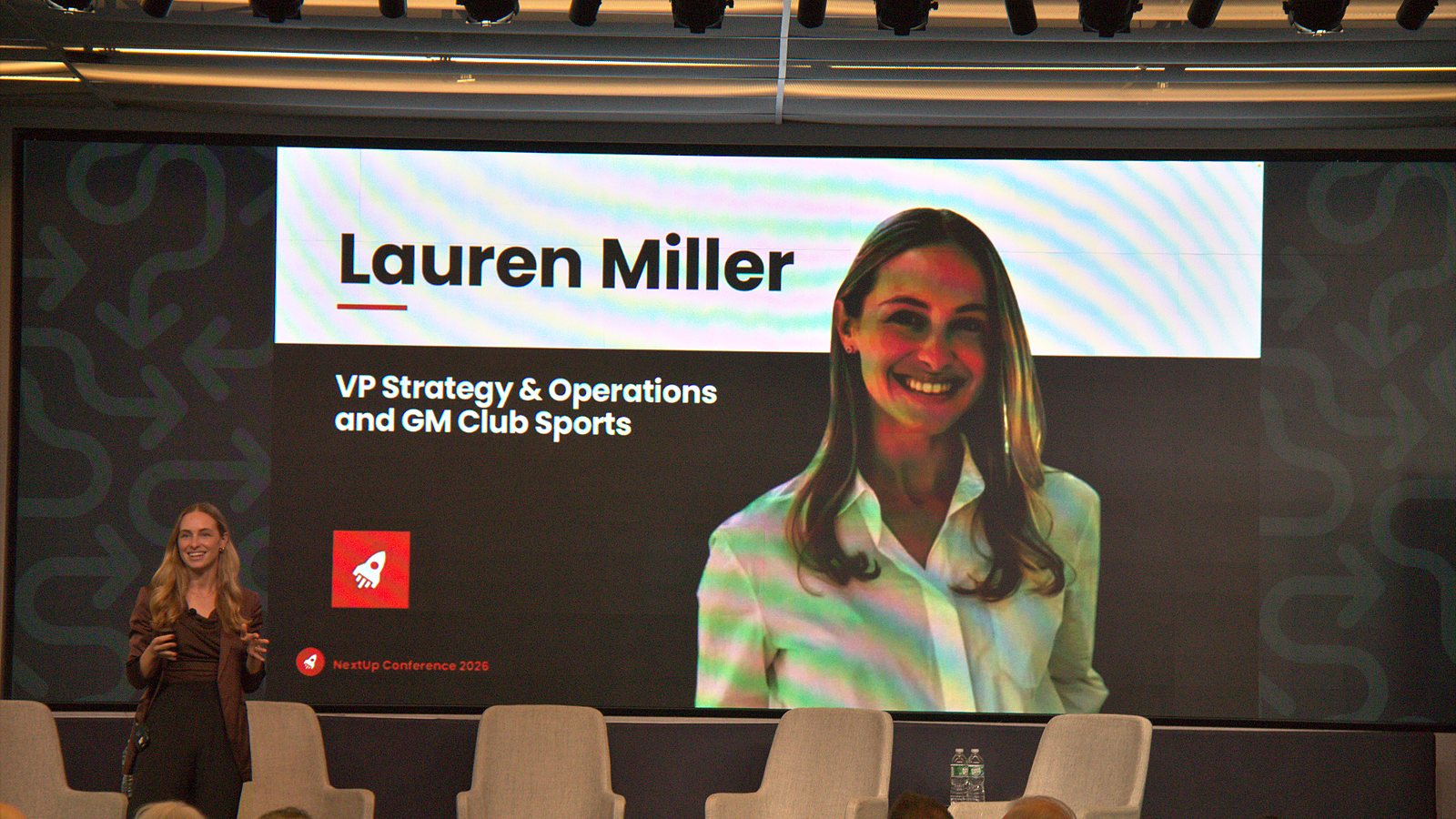
From the field: Rocket Youth
Lauren Miller, Rocket Youth's VP of strategy and operations and GM of club sports, followed with the platform's numbers: 35 companies comprising about 80 brands or locations across 17 states and seven verticals, with more than 100,000 athletes reached. The business splits into a rec side (gymnastics and swim) and a club side (volleyball, basketball, soccer, lacrosse). Rocket takes vendors, housekeeping, taxes and contracts off the operator's plate; by its own analysis, club businesses grow about 60% after joining.
The Coach's Board take
The capital problem is a scale problem, and scale is a reporting problem. The operators who get a share of the philanthropic money looking for a home will be the ones who can show a funder, in one page, how many kids they serve, what it costs and what changed. Until then, Geisler's two-game-day rec league is the most copyable idea in the hour: it meets families where they already are, at school.
Free. Join the founders, operators and coaches building youth sports.