
SBJ Game Changers 2026 · 9:50 a.m. · Bridging the Gap
Two Partnerships Built Around What Players Actually Needed
The WTA and Concacaf showed how a sponsor's money can fix problems athletes face off the field: becoming a parent mid-career, and figuring out life after it.
Reported at Sports Business Journal's 2026 Game Changers Conference · Oct. 1, 2026 · New York Marriott Marquis
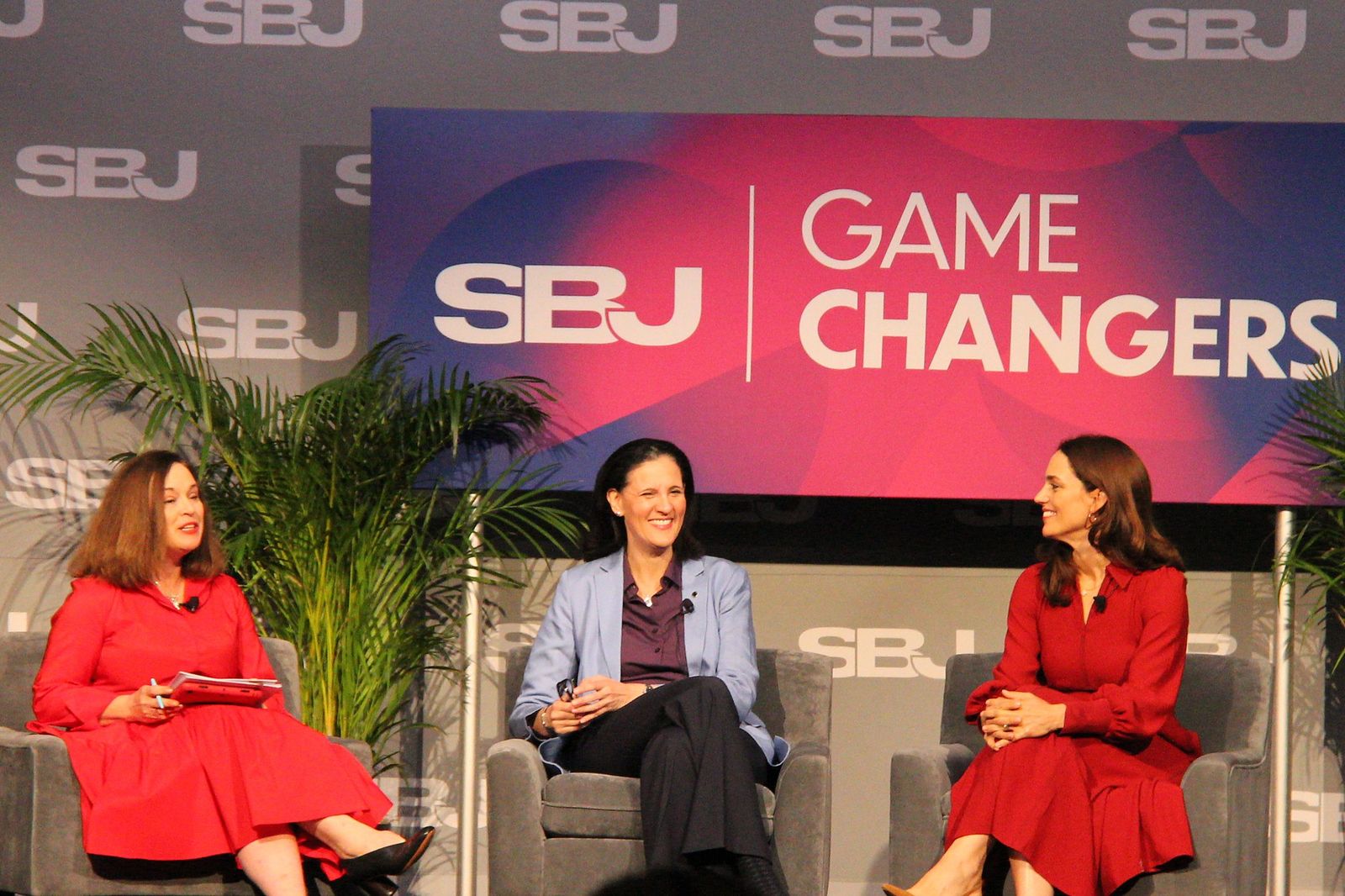
On stage: Marina Storti, CEO, WTA Ventures · Heidi Pellerano, chief commercial officer, Concacaf · Moderator: Eileen Silvergleid, chief revenue officer, Leaders Group Sports
Silvergleid framed the session as two approaches to one question: how a sponsorship can solve a meaningful problem for female athletes.
Tennis: making room for motherhood
In an individual sport like tennis, Storti said, players are independent contractors, which leaves them largely on their own when they start families. Supporting players who become parents has long been a WTA priority. It started in 2019 with a ranking-protection rule that makes it easier to return to the tour after having a child, she said.
The WTA's player council kept pushing for something more comprehensive. The missing piece was a partner willing to commit for the long term. PIF, Saudi Arabia's Public Investment Fund, became the founding partner of the WTA's maternity benefits program. Storti said it was the first time such a program had been funded by a commercial partner.
The design came out of workshops with WTA staff, PIF and the player council, built around what players said they cared about. Twenty-five players used the program in its first year, Storti said, for support that included parental leave and fertility treatments.
The real measure is whether mothers keep choosing tennis and come back. Early this year, she said, two returning mothers sat in the WTA's top 10 at the same time for the first time, and both had used the program. A long-term deal, she added, gives both sides room to learn and keep improving it.
Soccer: life after the last match
Pellerano said Concacaf's job isn't just staging matches. It is developing the sport across 41 member associations in North America, Central America and the Caribbean, and that means looking after players beyond their careers. She pointed to players who come back from two ACL tears. That kind of resilience, she said, can't be taught.
For most women players, careers are short. A star might get a decade at the top and a regular national-team player seven to 10 years, Pellerano said, but most players get two or three. When it ends, players described the same four losses: their identity (the phone stops ringing), their income, their routine and their community.
So Concacaf built a career-transition program, and it started by asking players what they needed. "We just asked," she said. A colleague with roots in Costa Rican soccer worked her network. Knowing many players would never fill out a survey, she gave them her WhatsApp number and invited voice messages. "This is a program for players by players," Pellerano said.
The master classes are online and taught by players, chosen to be relatable rather than just the biggest names. They run in English and Spanish, with subtitles both ways, and more languages are coming, which Pellerano said also mattered to PIF. About 160 players have registered so far, with another wave coming. The best sign yet, she said, is that players are now asking to teach a module themselves.
The Coach's Board take
Both programs started with listening: a player council in tennis, a WhatsApp number in soccer. Youth sports organizations chasing sponsors can borrow the move. Ask athletes and families what's actually hard, then build the partnership around fixing it.
More from SBJ Game Changers 2026
- 8:45 a.m. · The Val Ackerman Legacy of Leadership AwardVal Ackerman's Rules for the Long Game
- 9:10 a.m. · Top of the AgendaHockey Romance, Stadium Takeovers and the Squeezed Middle
- 10:25 a.m. · SBJ Connect · Photo essayPick a Neighborhood, Find a Table: Inside SBJ Connect
- 11:20 a.m. · From Activation to ImpactFord Gave LPGA Rookies Broncos. The Bigger Gift Was Mentors.
- 11:40 a.m. · One-on-One with Kristin LemkauKristin Lemkau on Messy Careers, Mediocre Teams and Athletes' Money
- 12:10 p.m. · Leading a Modern Sports FranchiseShelly Cayette-Weston's Hornets Playbook: Fill the Building First
- 1:50 p.m. · Leadership Lessons from a TrailblazerKim Ng on Getting Rejected in Public, and Saying Yes to Softball
- 3:00 p.m. · The New Playbook for College AthleticsVanderbilt's AD: If We're Not Careful, Women's and Olympic Sports Lose
- 4:00 p.m. · The Human EdgeThe AI Panel's Rule: Start With the Problem, Not the Tool
- 4:30 p.m. · The New Wager LandscapePrediction Markets Pitch Engagement. A Banker Warned of a Reckoning.
Join youth sports leaders reading every issue.